
Tuscan Style
The northern Italian region of Tuscany offers visitors an overwhelming experience for the senses, with the sounds of its music, the smells of its cooking and the visual richness of its distinctive style.

Tuscan Design Style
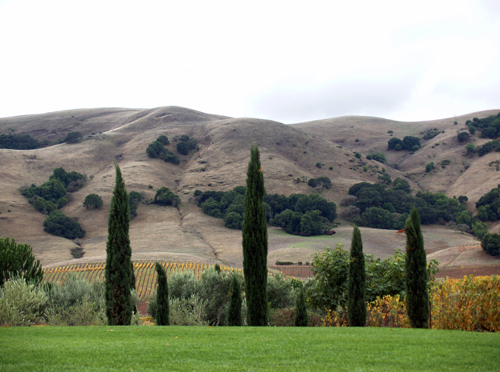
"One need never to go into a museum in Florence," wrote Brian Storts, "for that fair city is a feast to the eyes. It is like walking into history itself." Florence and its surrounding towns - Sienna, Montepucciano, Pisa, Arrezo - are situated in the heart of Tuscany’s rolling hills. The Tuscan landscape is flecked with Terra-cotta rooftops and cypress trees, and by the soft, sun-drenched hues of local marble and clay.
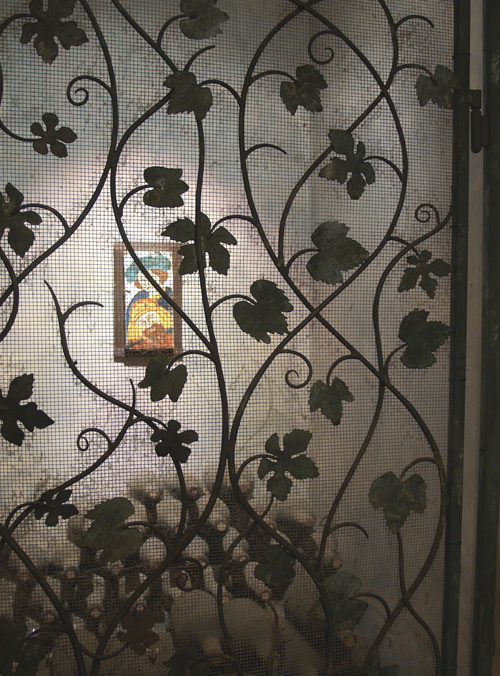
Tuscan design style evolved through layers of history, taking cues from the earliest Etruscan metal craft and pottery, and of course, from the sumptuous world of the Italian Renaissance. Rooted in the region of Italy known as Tuscany, the Tuscan Design style finds frescoes, cracked and worn by time, still vibrant with original pigment, depicting ancient deities and the decadence of the late Roman empire. The Tuscan Style is deverse in its use of materials, mosaic tiles, wrought iron gates and portals, distinctive bridges and architecture all reinforce the unique Tuscan identity, a particular expression of the Italian soul. Michelangelo, Caravaggio, Brunelleschi, Botticelli, and Cimabue all contributed to Tuscan splendor. It’s no wonder Tuscany design style plays a substantial role in Italian culture and identity.
Color Essentials
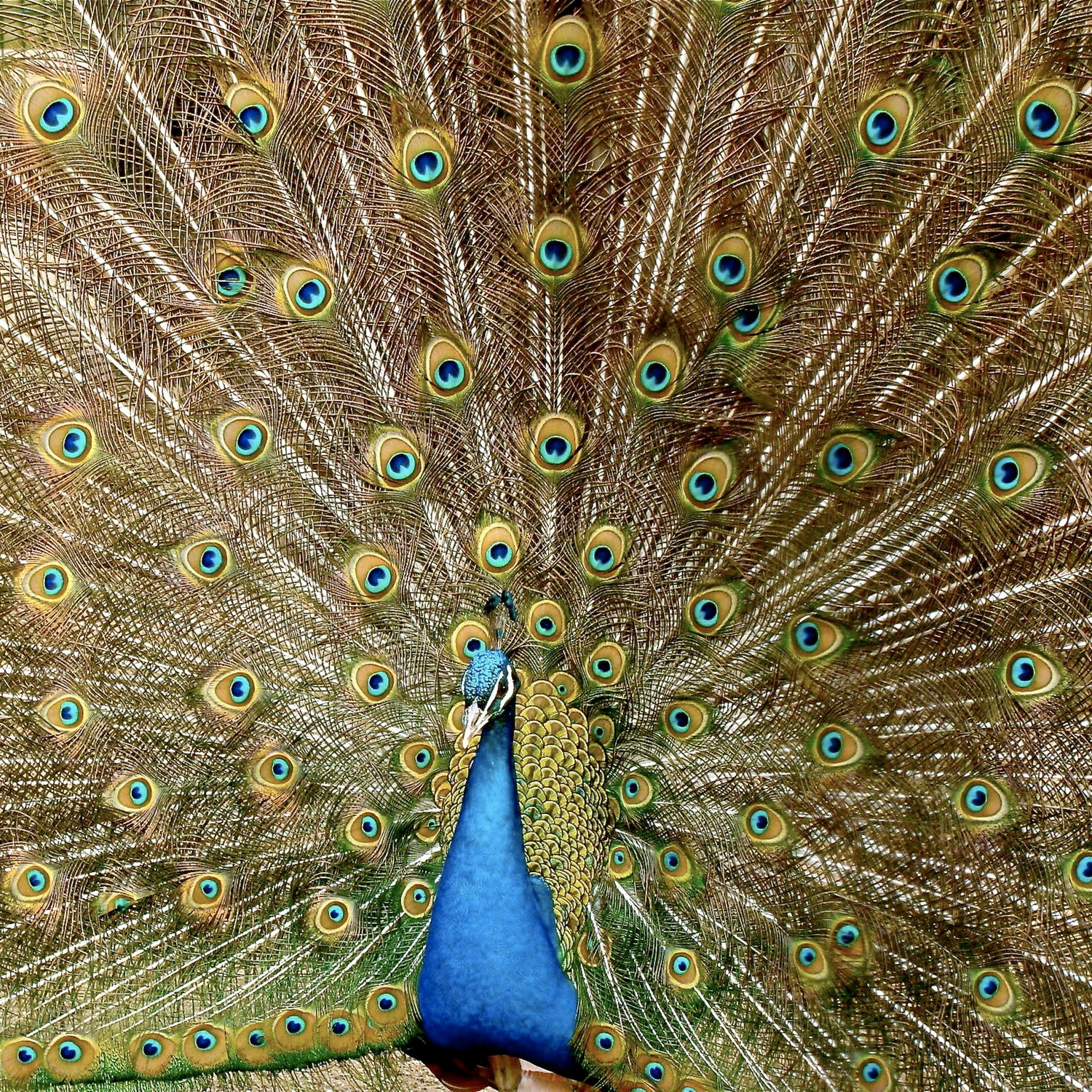
Fundimentals of color. It will set you free!
Using color at home or in the office - for paintings, furniture or any artistic challenge - takes a good eye, a little know how, and a creative imagination. Create custom color schemes and color effects in your home or office. Learn how to use the best base color, create a glaze, mixing colors, and more.
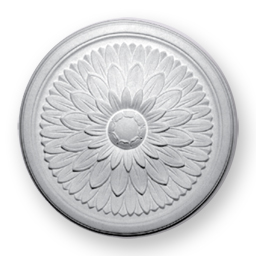
Tuscan Style cast plaster decorative plaster ceiling medallions and roses.
Hand crafted in the US, these fine plaster Tuscan Style ornaments are cast to order making it the real deal. Many designs are from direct historic precident. You'll find just about anything to meet your style.
Elements of Tuscan Style
Classic proportions. Tuscan rooms typically are beautifully proportioned on classical lines. Ceiling height, the size and scale of such features as the fireplace, windows and doors--as well as the furniture--all play an important role in creating balance and harmony within the room
Feature tutorial. The 'Classic Antique Glaze'. Antiquing is the process of aging a surface to produce a time-worn appearance. There are many methods of antiquing, and mastering these few simple steps you can successfully handle the antiquing of untold objects, furniture, mural paintings and wall surface finishing.
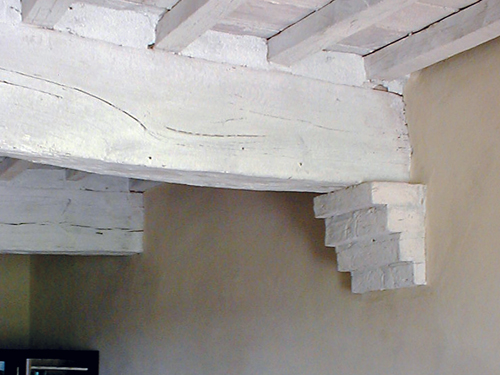
Details ceiling beam supports
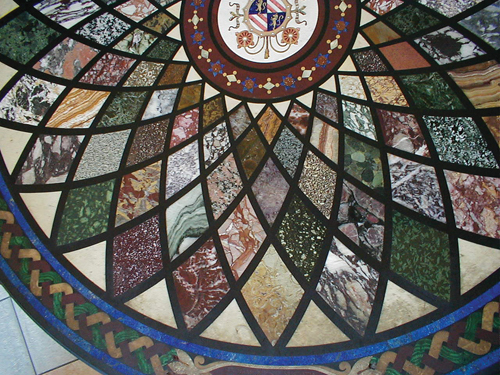
Inlay marble and tile
Tuscan Style Inspirations
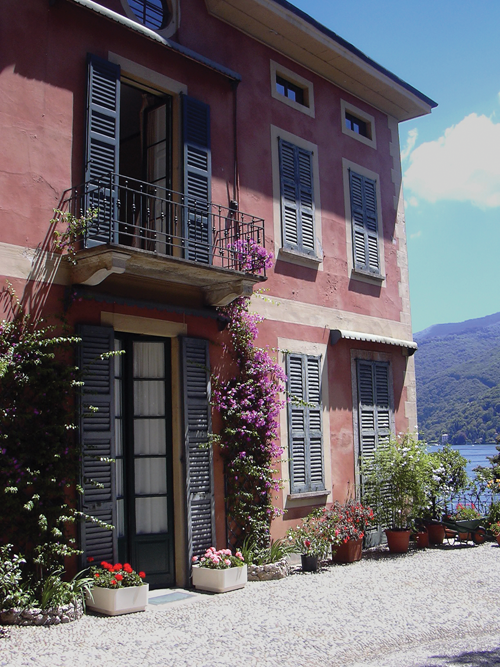
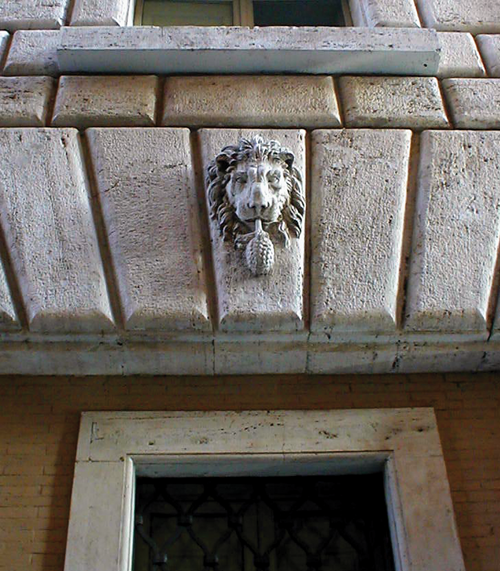
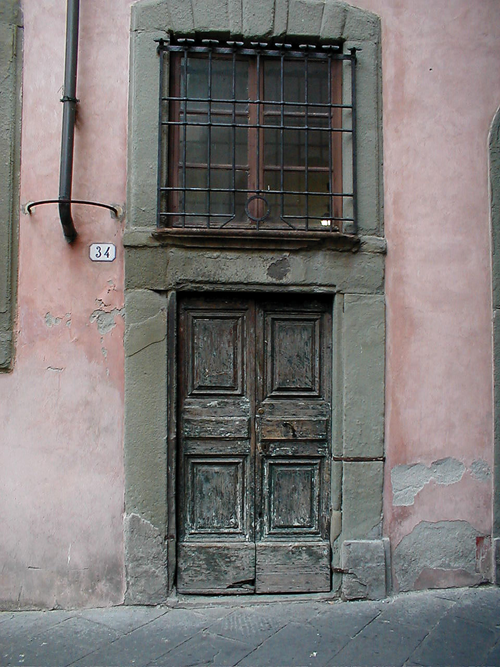
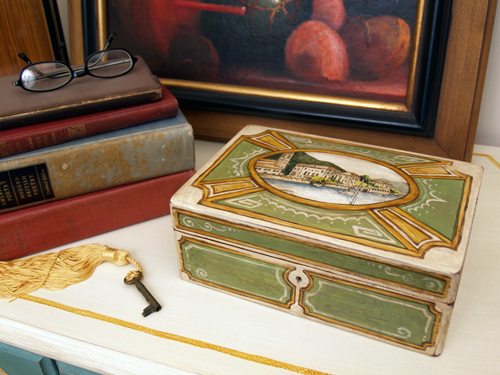
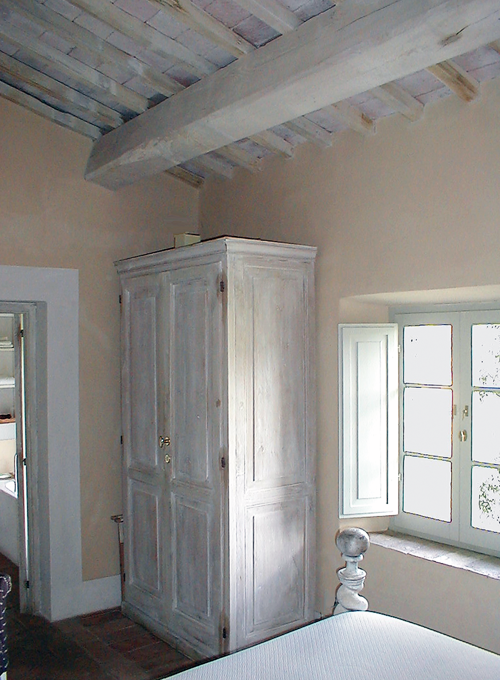
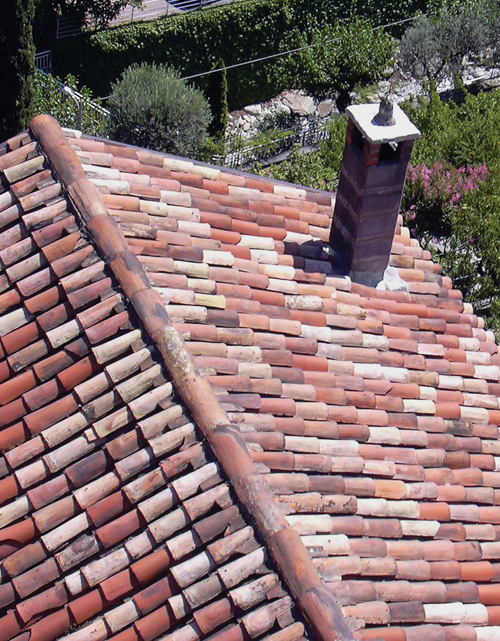
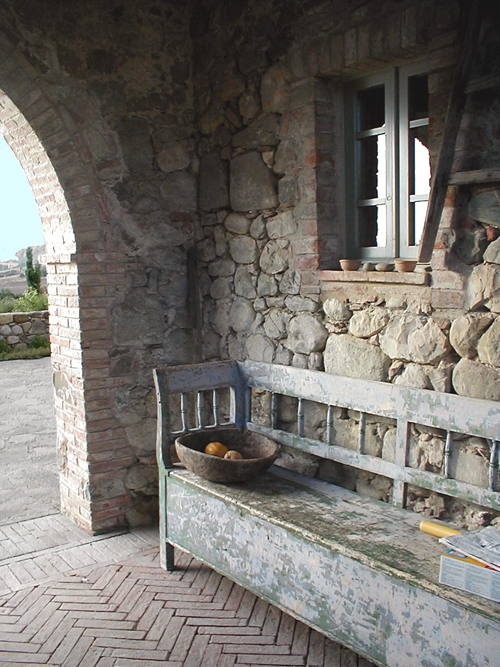
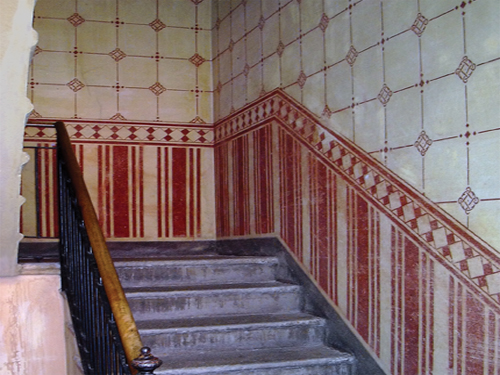
Tuscan Style Walls:
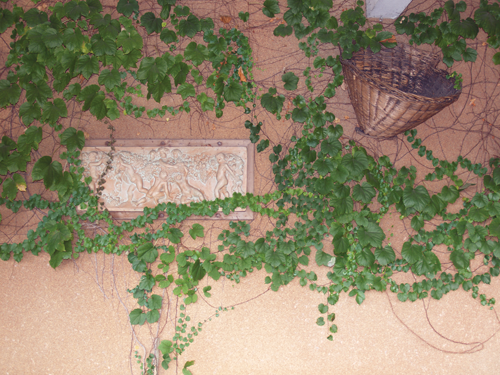
The wall treatments of the Italian home act as support for the rest of the interior. One sees wall painting, from Frescoes to murals, beginning in the earliest days of Italian culture.
Plaster walls, stucco-lustro and marmorino walls all evoke the classic Italian feeling. Hand painted wall treatments and decorative patterns enhanced common spaces, as seen on the right.
Use of Tapestries, gold leaf and ornate detailing such as plaster moldings all helped to define the interior, often bringing historical context and stylistic vigor to the home.
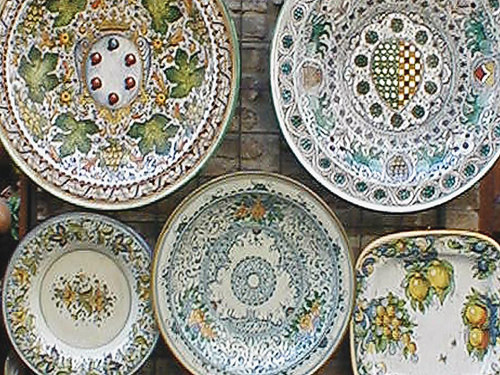
Tuscan Style Objects:
Painted tiles, colorful plates and Marino glass from Venice, fall naturally within the Tuscan aesthetic. Wrought iron objects such as sconces and candle holders support the mix of earthen materials found within the home. Metal, stone, fabric, and plaster walls all combine to create this natural Italian style.
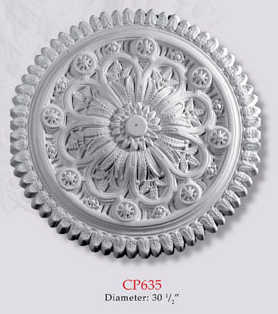
Tuscan Style Ceilings:
Rich, textured ceiling medallions juxtaposed with simply plaster moldings create elegance and a sense of comfort. Classic clouds with cherubs or putti playfully suspended above our heads quickly come to mind as Italian style. Old wood beams would evoke a rustic look, while stenciled borders and vaulted or paneled ceilings create an architectural framework uniquely expressive of this style.
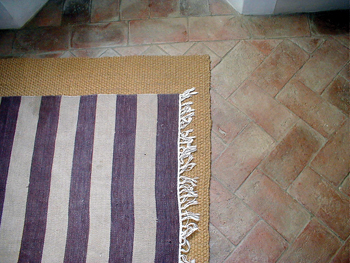
Tuscan Style Floors:
Terre-cotta tiles, glazed ceramic and marble inlay in intricate patterns are a few examples of the Italian sensitivity to design that carry through from ceiling and walls to the floors. Different types of marble create a color palette that defines the exquisite floors of The Duomo in Florence. Raw Sienne, umbers, rose pink, yellows and the pure white marbles from Carrara, above Pisa, all become the tools of the skilled craftsmen and artists. Pale travertine is often still used in homes and stores. Terrazzo floors, made from marble chips ground with crushed stone and stucco, polished to a smooth surface create new and diverse patterns to experiment with. Mosaic work, often of glass, stone or tile adds flare and energy. And of course, the wooden floor can be left plain or adorned with Persian rugs—which were originally imported by Venetian and Genoese merchants in medieval times.
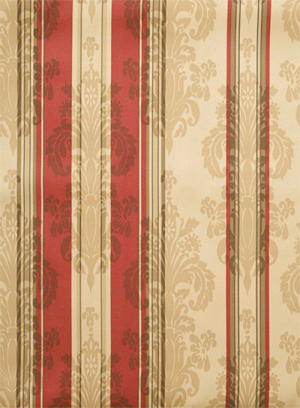
Tuscan Style Fabrics:
Silks, velvets and hand woven brocades fill the home on furnishings, curtains and bedding. Lacework and linens add a bit more texture to the environment and rich damask patterns, tone on tone, are used effectively in all rooms.
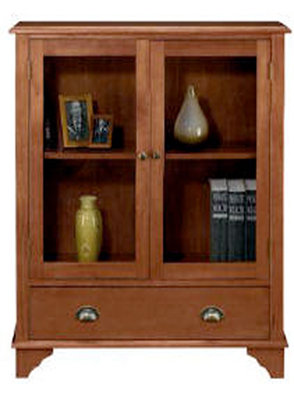
Tuscan Style Furniture:
Furniture varies greatly. From rustic, folk pieces to the classic veneered and hand painted items. Inlay and gilt details all support the rich visual texture of the interior environment.
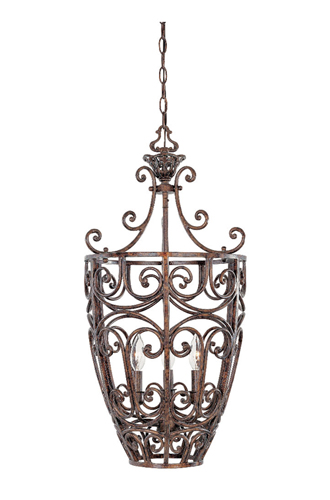
Tuscan Style Lighting:
Authentic Tuscan Style lighting, chandaliers and sconces. Wrough iron chandaliers are great entry hall lights that set the stage for your Tuscan Style interior. Sconces purposley placed on stucco walls or modern glass and polished nickle create a modern aesthetic.
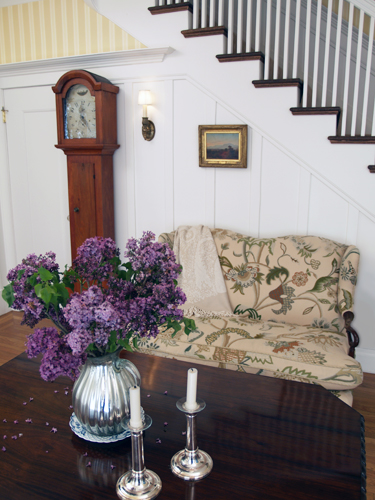
Early American Style
Colonial Amercians drew inspriation from their European heritage. Curent design styles would filter across the ocean and become reinventedin early America. Proportion and scale took reign over ornementation, A neutral color palette of grey blue, greens and rose pinks is readily apparent.
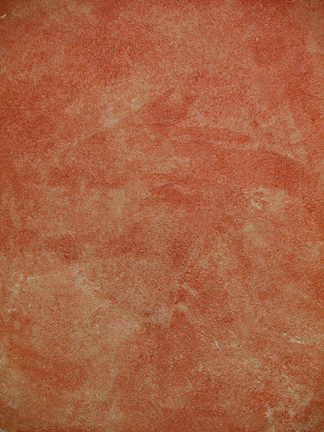
Stucco Rustico - Aged Plaster
Stucco Rustico is a Traditional interior and exterior textured plaster that epitomizes the rustic old world charm commonly associated with Tuscan environments. I love this treatment for its ease of application and the natural, organic glazed appearance that results when using mineral based plasters and glazes. Whether a rough application or a smooth finish, this treatment holds true to the test of time and, in fact, feels as if time itself stopped to wash the walls personally.
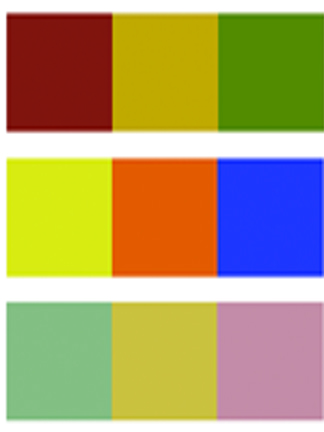
The Rustic Color Palette
The Rustic Style color palette falls within a distinct range of color tones and is essential in creating a successful Rustic interior. By using the appropriate color tones you can create a variety of design styles ranging from Period and Historic, regional or thematic. Color helps define our experiences within an interior and exterior environment. It affects us on a physical, emotional, and spiritual level and can be calming and passive, expressive and vital.
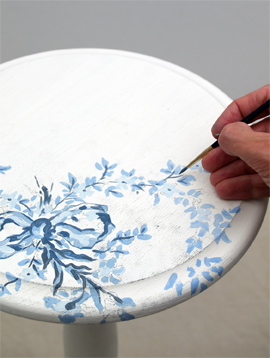
Painted Floral Details
Floral patterns used as accents in fabrics and furniture are common place details in the English Country home. These graceful and organic patterns complement the cozy interior of this style and work particularly well with lace window treatments, an heirloom tea service set and the natural and rustic charm of wooden ceiling beams and slightly irregularly textured walls.