Caribbean Style
The Caribbean is a lively mosaic of cultures, scattered like jewels across a landscape of white sand beaches, blue-shadowed mountains, and dense emerald jungle. Life unfolds to the rhythm of steel drums and ocean breezes, shaped by a relaxed island pace and a cuisine that balances heat and sweetness with ease. This layered cultural richness gives Caribbean design its unmistakable warmth, color, and sense of joyful informality—an atmosphere that lingers long after you leave.


As you move through the islands, the architecture tells the story. Pastel-hued colonial buildings line narrow streets, softened by arcades, wooden balconies, and shaded interior courtyards. In Barbados, dignified Georgian townhouses rise from coral limestone quarried from ancient sea cliffs. In Curaçao, candy-colored Dutch-gabled facades press shoulder to shoulder along the waterfront, their colors reflected in the harbor below. In Montego Bay, brightly painted cottages encircle cobblestoned squares, offering refuge from the tropical sun and an invitation to linger with a tall, cool drink. Though many architectural forms are European in origin—Dutch, Jacobean, Spanish Baroque—the palette belongs unmistakably to the islands. Houses in mango, lime, turquoise, and dazzling whitewash glow against jewel-toned orchids, deep green lawns, and the clear blue ocean, which eventually gives way to pure white sand.
Caribbean design is an act of adaptation, reassembling indigenous, African, and European traditions to suit a demanding tropical environment. Steeply pitched roofs and low, elongated facades deflect powerful trade winds. Gingerbread fretwork, wide verandas, and shuttered windows temper heat and light, creating shaded interiors that breathe easily. Materials are drawn from both place and history: coral stone, palm, and local hardwoods mingle with ballast bricks carried in colonial ships, corrugated tin, and salvaged timber—each element a reminder of the Caribbean’s role as a crossroads of cultures and commerce.
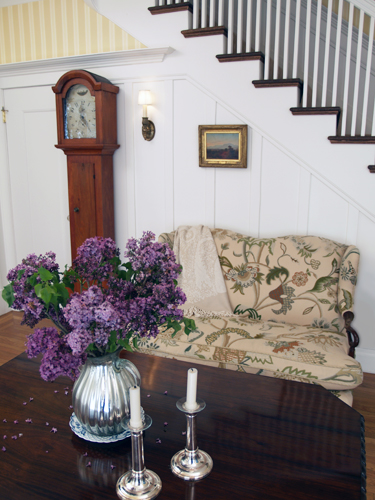
At its heart, a Caribbean interior is grounded in simplicity, softened by a touch of colonial elegance. Furniture is comfortable and unfussy—white wicker, woven cane, and polished mahogany. Floors are finished in natural tile or hardwood, chosen as much for durability as for beauty, while walls are painted bright white or washed in tropical color to amplify light. Shutters—ideally on three-part jalousie windows—and ceiling fans are not decorative gestures but necessities. Add crisp white linens, a vase of fresh greenery, and perhaps a mojito within reach, and the room feels complete.


Feature Product
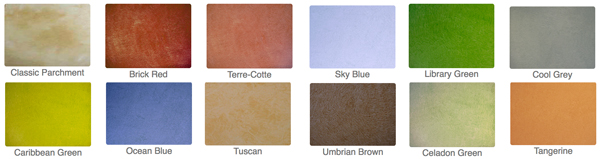
Pre-mixed Glazes for walls and decorative surfaces
Effortless Style. Instant Results.
Transform your walls with ease using our professionally pre-mixed glazes. Whether you're after a subtle wash or a bold decorative finish, these ready-to-use glazes make it simple to get started.
Want your own custom color? We've got you covered. Choose any shade from major paint brands—just send us the paint name and number, and we’ll create a glaze matched to your specs. Available for both interior and exterior projects.
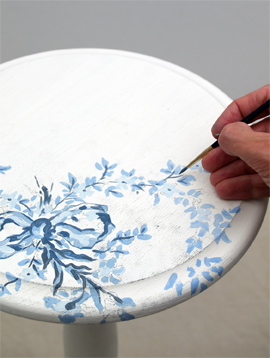
Perfect for timeless techniques like: Colorwashing, Dragging, Strié, Antiquing, and Furniture finishes.
Learn about glazing and glaze products - Shop Now!
Elements of Caribbean Style
Fabrics
Textiles bring pattern and storytelling into Caribbean interiors. Colorful tablecloths are often printed with regional motifs—fruits, hibiscus blossoms, palm fronds, and sea life—while lightweight, sheer cotton curtains billow gently at open windows. Batik and hand-dyed fabrics appear as sarongs, cushions, and throws, their layered colors echoing the rhythms of island dress and daily life. Fabrics are chosen for breathability and movement, reinforcing the sense of ease that defines the style.

Walls
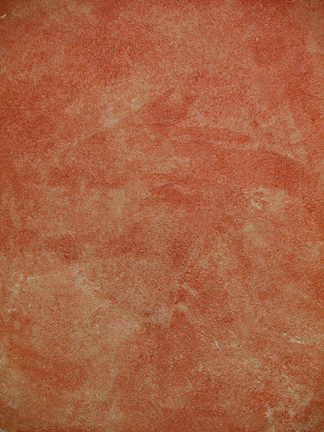
Walls are treated as luminous surfaces rather than backdrops. Lime-washed finishes soften stucco and masonry, allowing texture to show through while reflecting light. In more formal colonial homes, indigenous woods are used as paneling, lending warmth and depth. Bold accent colors—coral, turquoise, sea blue, and sun-faded green—highlight trim, shutters, and window surrounds, creating contrast and visual rhythm.

Floors
Flooring is practical, tactile, and unfussy. Rough, bleached pine floors are often layered with sisal rugs or cotton rag throws that can be easily cleaned or replaced. Tile and stone are equally common, prized for their coolness underfoot and their ability to withstand sand, salt air, and frequent washing. Floors ground the space, connecting indoor rooms to the outdoor landscape beyond.

Furniture
Caribbean furniture emphasizes comfort, airflow, and craftsmanship. Wicker, rattan, and cane chairs allow air to circulate, while mahogany and other tropical hardwoods provide weight and permanence. Pieces are often simple in form, with gently curved lines and turned details that nod to colonial traditions without feeling formal. Built-in benches, daybeds, and deep-seated sofas encourage lingering and conversation.

Lighting
Light in the Caribbean is abundant, and interiors are designed to make the most of it. Large windows, shutters, and transoms admit daylight while controlling glare. Artificial lighting is soft and understated—lantern-style pendants, simple sconces, and table lamps with woven or parchment shades create a warm evening glow. Candlelight, often in hurricane lanterns, adds intimacy and echoes the region’s maritime heritage.

Objects & Accessories
Objects in a Caribbean interior feel collected rather than curated. Hand-thrown pottery, carved wooden bowls, woven baskets, and painted trays reflect local craft traditions. Nautical references—rope, shells, glass floats, and maps—appear subtly, while fresh flowers and greenery bring the outdoors in. These finishing touches reinforce the sense of place, grounding the room in both memory and landscape.