
Knowledge Center
Start here!
Whether you’re embarking on a large-scale renovation or tackling a small creative endeavor, this is the place to find answers and guidance.
In any project, knowledge is king. Knowing the right way to approach your project, selecting the best tools, and mastering techniques are crucial to achieving the best results.
From beginners to experienced professionals, the Knowledge Center is your comprehensive guide. Explore expert tips, step-by-step tutorials, and insider advice—from design principles to finishing techniques—so you can complete your project with confidence.
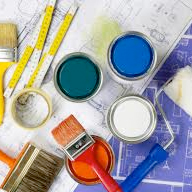

Skills to Master
Build fundamentals, then level up with pro tips for cleaner results and fewer redo’s.

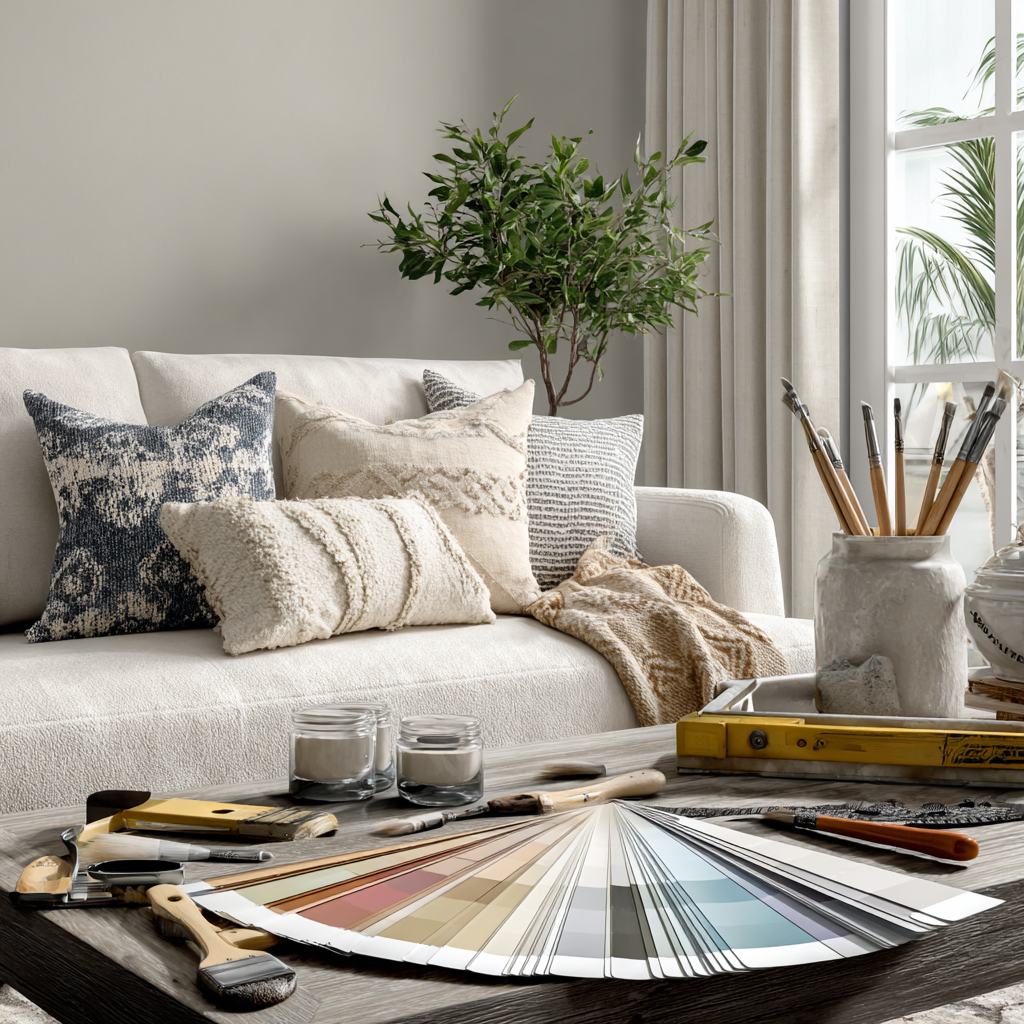
Color Center
Color theory, palettes, and inspiration to help you make confident design decisions.

3 Steps to Success: Knowledge, Tools, and Support
We believe the path to great results is simple: learn the process, use the right tools, and get support when you need it.
Knowledge
The more you know, the better equipped you are. We’re committed to clear, practical guidance for every skill level.
Tools
Quality materials matter. From reliable basics to premium supplies, we offer what you need to get the finish you’re after.
Support
Every project throws curveballs. Bring us your toughest challenges, and we’ll help you work through them.
Explore the Knowledge Center and discover new techniques, styles, and finishing ideas—then put them to work.
Geographic Styles
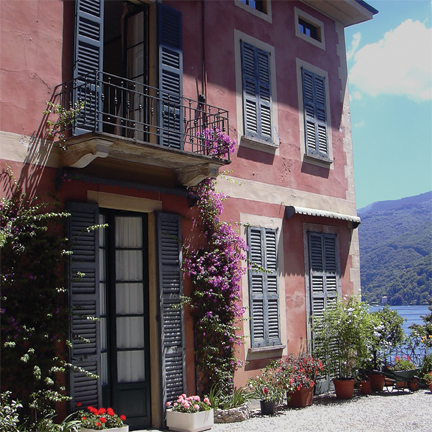 Tuscan
 New Orleans
 Caribbean
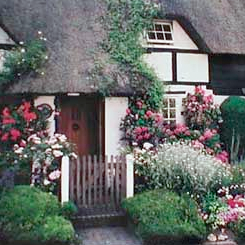 English Country
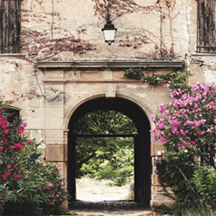 French Country
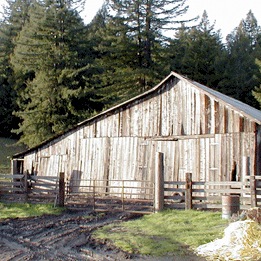 Adirondack
Historic Styles
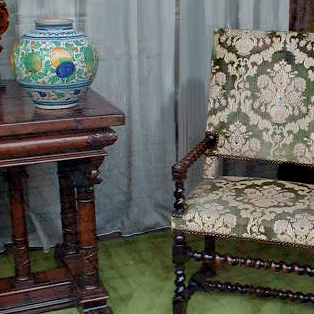 Arts and Crafts
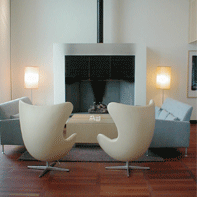 Modern
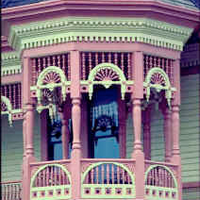 Victorian
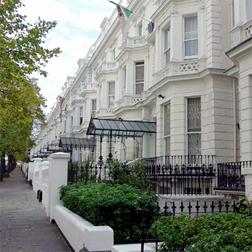 Georgian
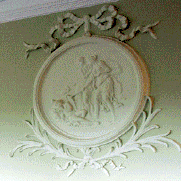 Federal
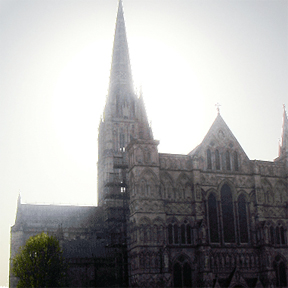 Gothic
Thematic Styles
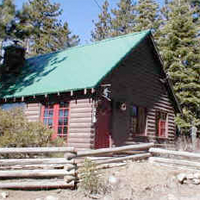 Log Cabin
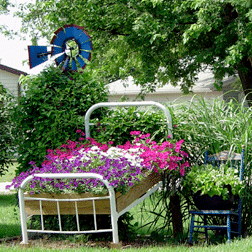 Romantic
 Americana
 Flea Market
 Diner
Diner
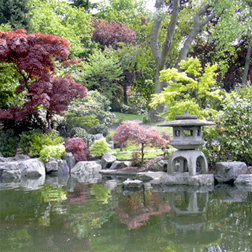 Japanese
Decorative Paint Effects
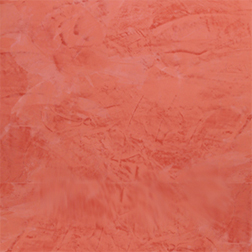 Venetian Plaster
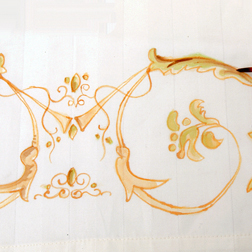 Painted Scrolls
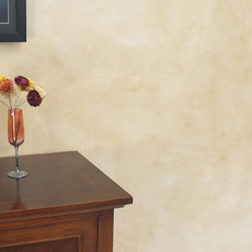 Classic Parchment
 Painted Furniture
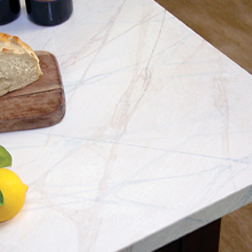 Marblizing
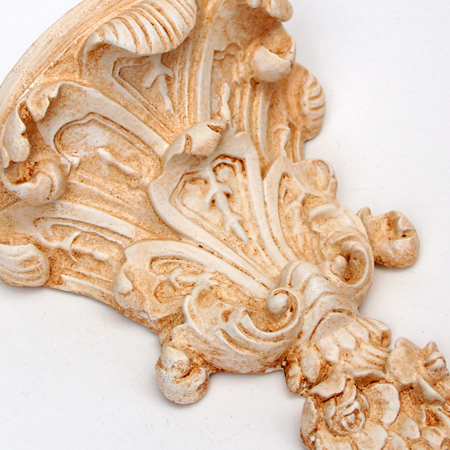 Antique Glaze
Adam Style Design interiors
Featured Historic Style
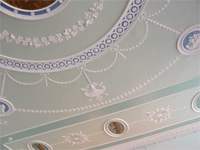
Adam style is named for Robert Adam, the most famous architect of the British eighteenth century, who revolutionized Neoclassical design and created a style remarkable for its freshness, fluidity, and grace.
Adam, born in 1728, traveled Europe as a young man, studying the architecture of Roman antiquity. When he returned to England, ready to reinterpret classical principles for a modern audience, he set up an architecture firm with his brother James.
The Adams’ work became enormously influential in England and America, where it was known as Federal style and remained the dominant mode in domestic architecture from the 1790s to the 1830s.
Oil Gilding Video Tutorial
Quick Dry oil size gilding. This detailed demonstration shows you how to apply genuine gold, silver, imitation gold, aluminum, and copper leaf to objects and furniture using the classic 3-hour oil size method.
Design Features
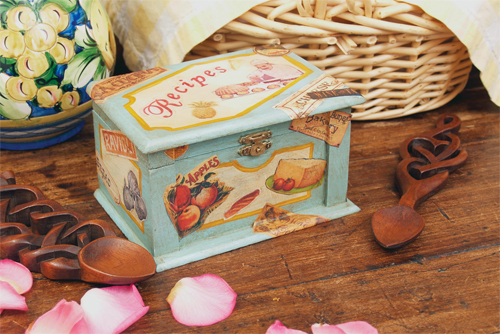
Decoupage—the art of applying cut-out imagery to furniture and objects—flourished in Europe during the Eighteenth and Nineteenth centuries. It’s a versatile technique for decorating everyday items like boxes, trays, chests, and tables.
What's Hot!
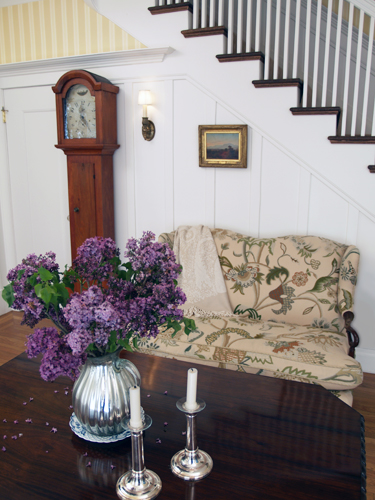
Early American Style
Colonial Americans drew inspiration from European heritage. Proportion and scale took reign over ornamentation, with neutral palettes of gray-blue, greens, and rose pinks.
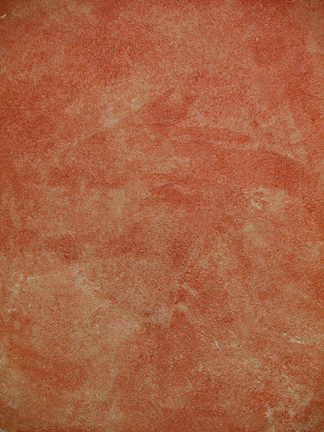
Stucco Rustico - Aged Plaster
Stucco Rustico is a traditional interior and exterior textured plaster that captures rustic, old-world charm—especially suited to Tuscan environments.
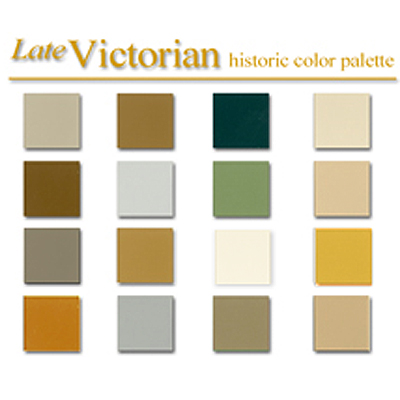
The Rustic Color Palette
Rustic palettes fall into a distinct range of tones that help define mood and character in both interior and exterior environments.
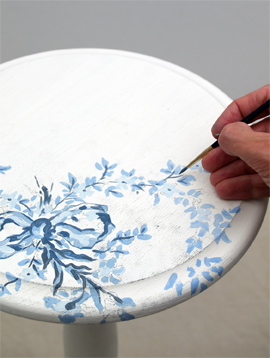
Painted Floral Details
Floral patterns as accents in fabrics and furniture are classic English Country details—graceful, organic, and cozy.