
Antiquing Center
Easy Antique Finishes for Furniture & Decorative Objects
Give furniture and decorative objects the character of age with authentic antique finishes created using simple paint, glaze, and wax techniques. Suitable for both interior and exterior surfaces, antiquing adds depth, warmth, and a sense of history to any project.
Antiquing is the practice of intentionally aging a surface to achieve a naturally time-worn appearance. This can be accomplished through a variety of methods, including layered paint effects, glazing, waxing, weathering, and controlled physical distressing. Accent-antiquing techniques replicate the subtle details of natural aging—such as fly specks, worm holes, softened edges, and uneven wear.
From rustic and weathered to refined and elegant, these easy-to-learn antiquing techniques allow you to create finishes that feel authentic, expressive, and rich with visual history.
Antiquing Effects
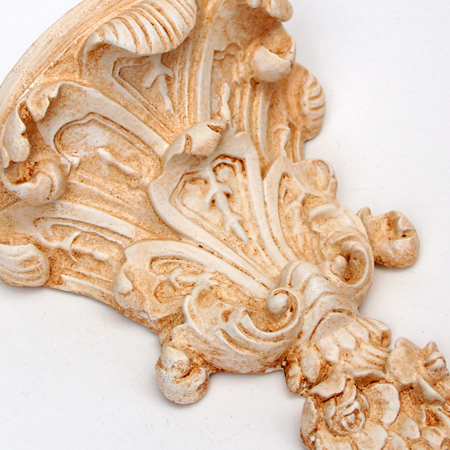 Antique Glaze for Objects
 Classic Antique Glaze Recipe
 Antique Plaster Finish
 Antique Glaze for Furniture
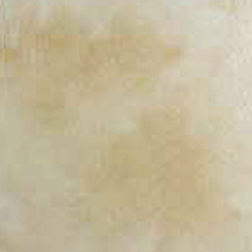 Antique Parchment Glaze
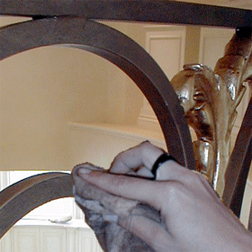 Antique Bronze Finish
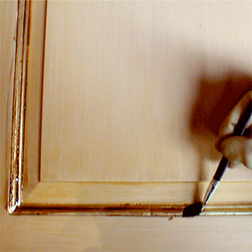 Antiquing Gold Leaf
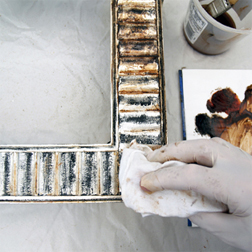 Antiquing Silver Leaf
 Antique Red Lacquer Finish
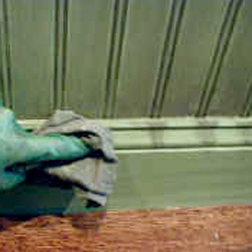 Antique Wood Grain
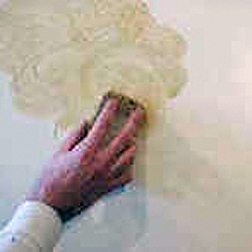 Antiquing with Oil Glazes
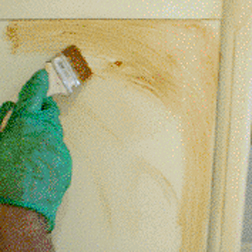 Antiquing with Acrylic Glazes
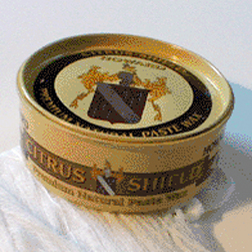 Antiquing with Waxes
About Glazing
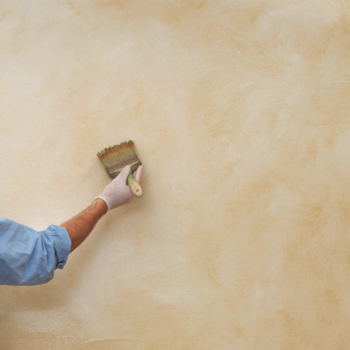
Antique paint effects with glazes:
Glaze refers to a substance that is thinned to create a transparent or translucent film of color. Diluting any paint substance, tinted varnish or tinted water essentially can produce a glaze.
Generally, paint and glaze antiquing methods can be used universally on furniture, objects, murals, gilt surfaces, floors, painted ceilings and walls to create an aged look. The color combinations that create a ‘classic antique glaze’ remain the same whether using oil based (alkyd) or water based (acrylic) products.
Classic Antique Glaze Recipe. Use this 'go-to' color mixing recipe as a launching point for all of your antiquing projects. Follow the color mixing recipe from the artSparx ‘Classic Antique Glaze’ tutorial.
Glazes are generally applied over an Eggshell sheen base coat of the color of your choice. Eggshell sheen is preferable, but never flat (matte) finish. Matte sheens can absorb the glaze at irregular rates, making it difficult to keep the glaze moving while it sets up. Higher sheens, like semi-gloss or gloss, are too slick and the glaze has a difficult time bonding to the surface during your application time.
Decorative Paint Effects
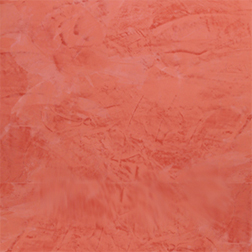 Plaster Effects
Antique Center
Plaster Effects
Antique Center
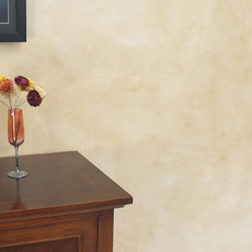 Wall Effects
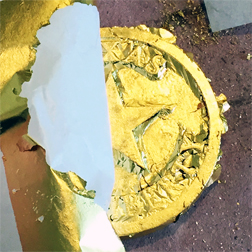 Gilding Techniques
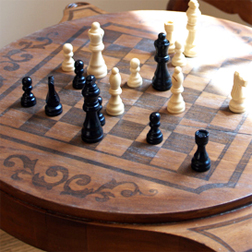 Furniture Effects
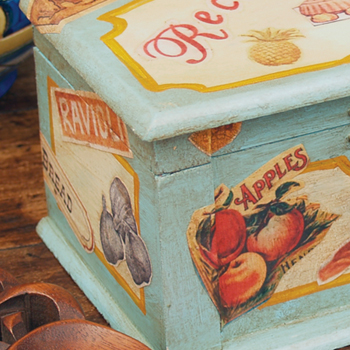 Faux Effects
Decorative Pre-mixed Glazes
Glazed decorative and faux effects on walls, ceilings, furniture and objects.
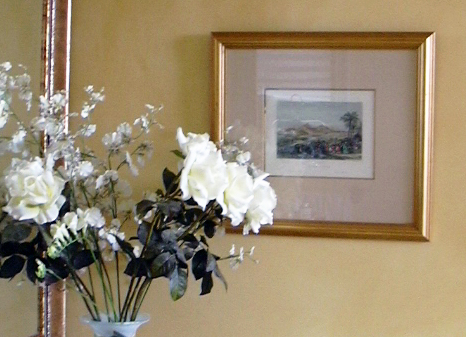
Create classic effects such as colorwashing, dragging, striee, antiquing effects, or furniture effects.
Our interior and exterior glazes offer a high-end decorative paint solution that provides soft, delicate, subtle shades with either pearl, satin, or glossy tones for maximum depth and decoration.
Velur Interior or exterior glaze, Velur is an ideal glazing medium for mineral based plaster and stucco effects. Applicable by brush or other faux tools, Velur glaze creates delicate tones and transitions in a wide variety of saturation and opacity.
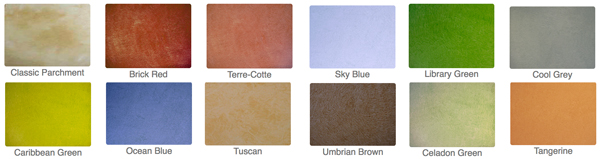
Must know Effects
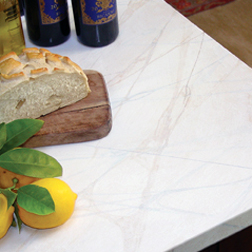 Faux Marble
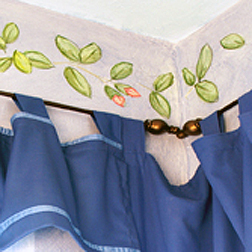 Floral Border
 Floral Accents
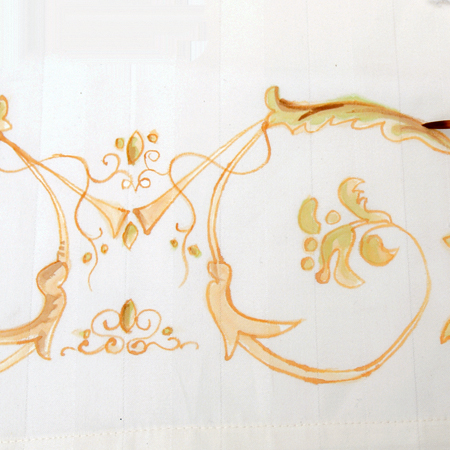 Scrolls on fabric
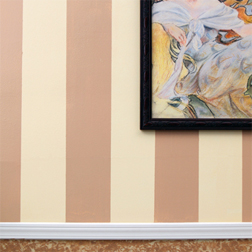 Painted stripes
Antique Ivory Glaze
Antiquing Silver Leaf
Painted stripes
Antique Ivory Glaze
Antiquing Silver Leaf
 Hand-painted Scrolls
Decoupage Box
Hand-painted Scrolls
Decoupage Box
Materials and supplies
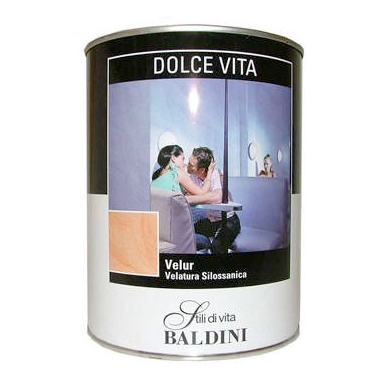 Glazes - Interior/Exterior
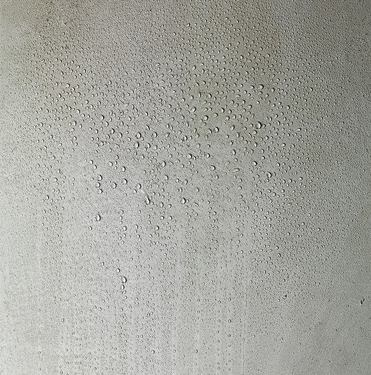 Fine Plaster Finishes
 Lime Paint
 Quartz Primers
 Brushes
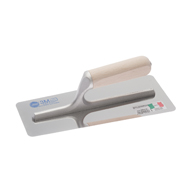 Trowels
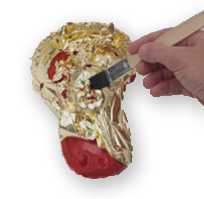 Gilding Supplies
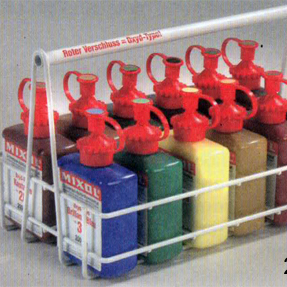 Colorants and Tinters
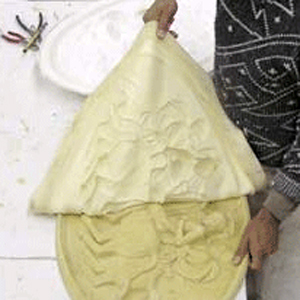 Casting and Molding supplies
 Arts and Crafts
 Tools
Tools
 Adhesives and Glues
 Varnish and Clear Coats
 Canvas and Stretchers
 Mica Powders
 Abalone Sheets
 Waxes
Waxes
Blending Traditional and Contemporary Design
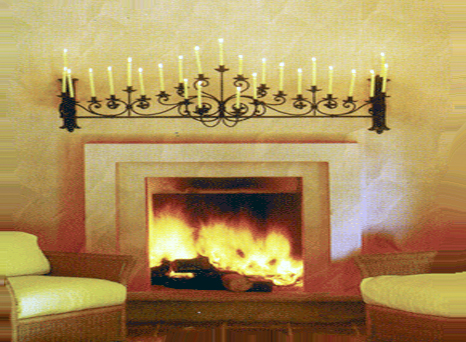
Inspired by the ornate plaster-work of Renaissance Italy, decorative plaster has a millennial history, with origins dating back to the Rome of the Caesars and in the art of Ancient Greece.
It was Andrea Palladio, a famous Italian architect, who in the XVI century re-discovered it through his studies and re-proposed it in the splendid Venetian villas that are still to this day the distinguishing mark of his career. Stucco Veneziano is an aesthetic solution that step by step, conquered Venice and Lombardy, then Italy, and finally entire Europe in the XVII century. Today, venetian plaster Stucco Veneziano restores the splendor of a classic and prestigious finish.
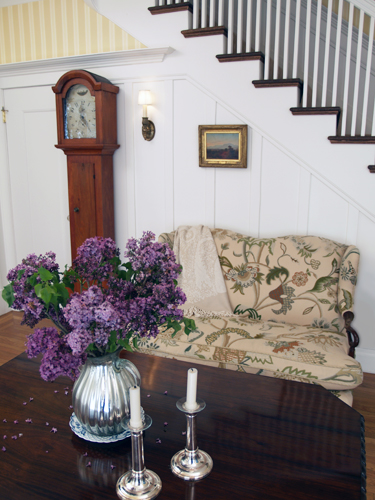
Early American Style
Colonial Amercians drew inspriation from their European heritage. Curent design styles would filter across the ocean and become reinventedin early America. Proportion and scale took reign over ornementation, A neutral color palette of grey blue, greens and rose pinks is readily apparent.
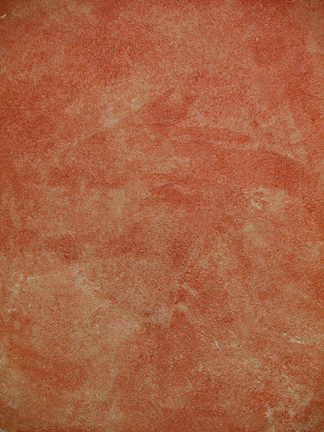
Stucco Rustico - Aged Plaster
Stucco Rustico is a Traditional interior and exterior textured plaster that epitomizes the rustic old world charm commonly associated with Tuscan environments. I love this treatment for its ease of application and the natural, organic glazed appearance that results when using mineral based plasters and glazes. Whether a rough application or a smooth finish, this treatment holds true to the test of time and, in fact, feels as if time itself stopped to wash the walls personally.
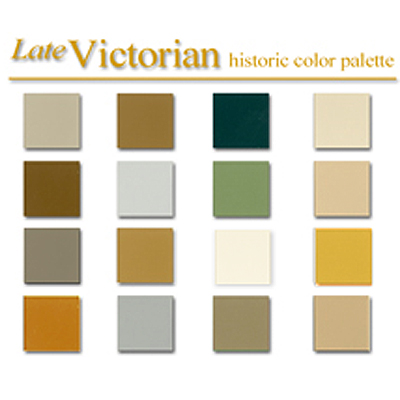
The Rustic Color Palette
The Rustic Style color palette falls within a distinct range of color tones and is essential in creating a successful Rustic interior. By using the appropriate color tones you can create a variety of design styles ranging from Period and Historic, regional or thematic. Color helps define our experiences within an interior and exterior environment. It affects us on a physical, emotional, and spiritual level and can be calming and passive, expressive and vital.
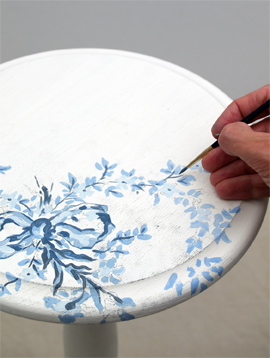
Painted Floral Details
Floral patterns used as accents in fabrics and furniture are common place details in the English Country home. These graceful and organic patterns complement the cozy interior of this style and work particularly well with lace window treatments, an heirloom tea service set and the natural and rustic charm of wooden ceiling beams and slightly irregularly textured walls.